Importance of Mecca and Kaaba in Islam
The connection between Islam Mecca Kaaba is very special for Muslims all over the world. Mecca is the holiest city in Islam and the Kaaba is the most sacred place for Muslims. Every day millions of Muslims pray while facing the Kaaba. It is the center of Islamic worship and a symbol of unity faith and commitment to Allah.
The relationship between Mecca and Kaaba in Islam is not only religious but also emotional. Muslims feel peace and happiness when they see the Kaaba for the first time. Many people dream of visiting Mecca at least once in their lives to perform Hajj or Umrah Packages.
Mecca is important because it is the birthplace of Prophet Muhammad (PBUH). The Kaaba is loved because it is known as the House of Allah. During Hajj and Umrah millions of Muslims gather around the Kaaba and worship together. This beautiful experience brings Muslims closer to Allah and strengthens their faith.
What is the Kaaba in Islam?
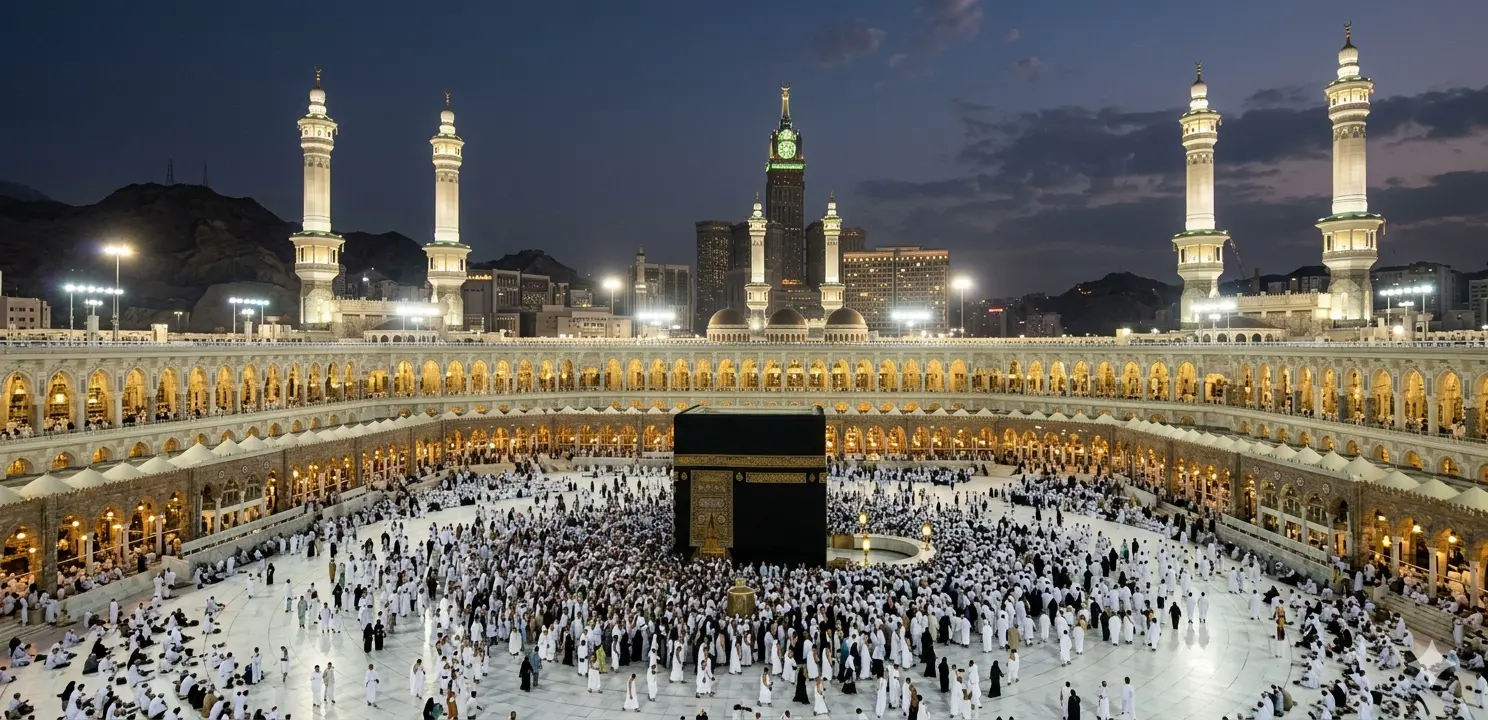
Many people ask, what is Kaaba in Islam? The Kaaba is a cube shaped building located inside Masjid al-Haram in Mecca Saudi Arabia. It is considered the holiest place in Islam.
The holy Kaaba in Mecca is covered with a black cloth called the Kiswah. Beautiful Quranic verses are written on this cloth in gold embroidery. Muslims from every part of the world face the Kaaba while offering daily prayers.
The Kaaba is also called the first house built for the worship of Allah. According to Islamic teachings it was built by Prophet Ibrahim (AS) and his son Prophet Ismail (AS).
Muslims do not worship the Kaaba itself. Instead it is a direction of unity for Muslims. No matter where Muslims live they all pray towards one place. This shows togetherness and equality in Islam.
The Kaaba is also the center of Hajj and Umrah rituals. Pilgrims perform Tawaf by walking around the Kaaba seven times as an act of worship and obedience to Allah.
Why is Mecca Important in Islam?
Mecca is the holiest city in Islam. It is the birthplace of Prophet Muhammad (PBUH) who brought the message of Islam to humanity.
One of the main reasons why Mecca is important is because it contains the Kaaba inside Masjid al-Haram. Muslims from all over the world travel to Mecca every year to perform Hajj and Umrah.
Hajj is one of the five pillars of Islam. Every Muslim who is physically and financially able must perform Hajj once in their lifetime. During Hajj millions of Muslims gather in Mecca and worship Allah together.
Mecca also has great spiritual value. Muslims believe that prayers offered in Masjid al-Haram bring huge rewards. Visiting Mecca helps Muslims strengthen their faith and seek forgiveness from Allah.
The importance of Islam Mecca Kaaba can be seen in the love Muslims have for this holy city. For believers Mecca is a place of peace mercy and spiritual connection with Allah.
History of the Kaaba
The history of Kaaba goes back thousands of years. According to Islamic teachings Allah commanded Prophet Ibrahim (AS) and his son Prophet Ismail (AS) to build the Kaaba as a place for worshipping one God.
After building the Kaaba Prophet Ibrahim (AS) invited people to come for pilgrimage. Since then the Kaaba has remained the center of worship for believers.
One important part of the Kaaba is the Black Stone, known as Hajr-e-Aswad. It is placed in one corner of the Kaaba. Pilgrims try to touch or kiss it during Tawaf if possible following the Sunnah of Prophet Muhammad (PBUH).
Over time, the Kaaba was rebuilt several times because of floods and damage. Before the prophethood of Muhammad (PBUH) the Quraysh tribe reconstructed the Kaaba. During this rebuilding Prophet Muhammad (PBUH) helped settle a dispute among the tribes regarding the placement of the Black Stone.
Today, the Kaaba remains one of the most respected and visited places in the world.
Why Do Muslims Perform Tawaf in islam Around the Kaaba?
Tawaf is one of the most important acts during Hajj and Umrah. It means walking around the Kaaba seven times in an anti clockwise direction.
Muslims perform Tawaf because it is a command from Allah and a Sunnah of Prophet Muhammad (PBUH). Tawaf shows love obedience and submission to Allah.
During Tawaf pilgrims remember Allah make duas and ask for forgiveness. It is a deeply emotional experience for many Muslims.
Tawaf also teaches unity. Millions of Muslims from different countries languages and cultures move around the Kaaba together in the same direction. This reminds Muslims that everyone is equal before Allah.
Another beautiful meaning of Tawaf is that Muslims keep Allah at the center of their lives just as pilgrims move around the Kaaba during worship.
You can learn more about Tawaf in our detailed guide here: What is Tawaf in Islam?
Importance of Kaaba During Hajj and Umrah
The importance of Kaaba becomes even greater during Hajj and Umrah. Every important ritual during these pilgrimages is connected to the Kaaba.
Pilgrims begin their worship by seeing the Kaaba and performing Tawaf around it. For many Muslims this is one of the most emotional moments of their lives.
During Umrah and Hajj Muslims pray near the Kaaba make duas and ask Allah for forgiveness. Many pilgrims cry with happiness when they first see the holy Kaaba in Mecca.
Every year millions of Muslims visit Mecca for pilgrimage. Despite differences in nationality language and culture they all gather together for one purpose to worship Allah.
The Kaaba also reminds Muslims about humility and equality. During Hajj everyone wears simple clothing and stands equal before Allah.
Interesting Facts About Mecca and Kaaba
The Kaaba is Covered with Kiswah
The Kaaba is covered with a beautiful black cloth known as the Kiswah. This cloth holds great importance in Islam and is changed once every year during the Hajj season. The Kiswah is made from high-quality silk and decorated with stunning gold and silver embroidery. Different Quranic verses are written on it in Arabic calligraphy, which makes it even more special and attractive for pilgrims visiting Makkah.
For Muslims around the world, the Kiswah is a symbol of respect, honor, and love for the Holy Kaaba. Many pilgrims feel emotional when they see it for the first time because it reminds them of the greatness of Allah and the importance of Islam. Skilled workers spend many months preparing the Kiswah with great care and attention. Every detail is designed beautifully to show the sacred status of the Kaaba. The black color of the Kiswah also gives the Kaaba a unique and powerful appearance that can be recognized by Muslims everywhere.
Zamzam Well is Near the Kaaba
The blessed Zamzam well is located near the Holy Kaaba inside Masjid al-Haram in Makkah. It is one of the most famous and respected wells in the world. According to Islamic history, Allah provided this water for Hajar (AS) and her son Prophet Ismail (AS) when they were alone in the desert and suffering from thirst. By the mercy of Allah, the Zamzam water started flowing and has never dried up since then.
Millions of Muslims drink Zamzam water every year during Hajj and Umrah. They believe this water is full of blessings and spiritual benefits. Many pilgrims also bring Zamzam water back home for their family and friends. The water is known for its pure taste and special importance in Islam. Muslims often make duas while drinking it because it is considered a blessed gift from Allah. Even after thousands of years, the Zamzam well continues to provide water to millions of visitors who come to Makkah from all around the world.
Muslims Face the Kaaba During Prayer
Muslims around the world face the Holy Kaaba whenever they offer prayers. This direction is called the Qibla. Whether Muslims live in Asia, Europe, Africa, America, or any other part of the world, they all turn towards the Kaaba during Salah. This practice creates unity among Muslims and reminds them that they worship one Allah together.
Before praying, Muslims make sure they know the correct Qibla direction. Today, many people use mobile apps, compasses, or mosque signs to find it easily. Facing the Kaaba during prayer is an important part of Islamic worship and shows discipline and obedience to Allah’s command. The Qibla also connects Muslims spiritually with Makkah and the Holy Kaaba, which is the most sacred place in Islam. No matter the language, culture, or country, Muslims stand together in the same direction while praying. This beautiful unity is one of the strongest symbols of brotherhood and faith in Islam.
Tawaf is Performed Around the Kaaba
Tawaf is one of the most important rituals in Islam and is performed around the Holy Kaaba. During Tawaf, pilgrims walk around the Kaaba seven times in an anti-clockwise direction. This act is performed during both Hajj and Umrah by millions of Muslims every year. Pilgrims begin Tawaf near the Black Stone, known as Hajr-e-Aswad, and continue walking while praying and remembering Allah.
Tawaf represents love, devotion, and obedience to Allah. Muslims from different countries, cultures, and backgrounds gather together in one place and move around the Kaaba as a sign of unity and faith. Many pilgrims become emotional during Tawaf because it is a deeply spiritual experience. The atmosphere around the Kaaba is filled with prayers, peace, and strong feelings of closeness to Allah. Tawaf also reminds Muslims that Allah should remain at the center of their lives. Performing this ritual is a dream for many Muslims, and it becomes one of the most unforgettable moments of their spiritual journey.
Center of Islamic Worship
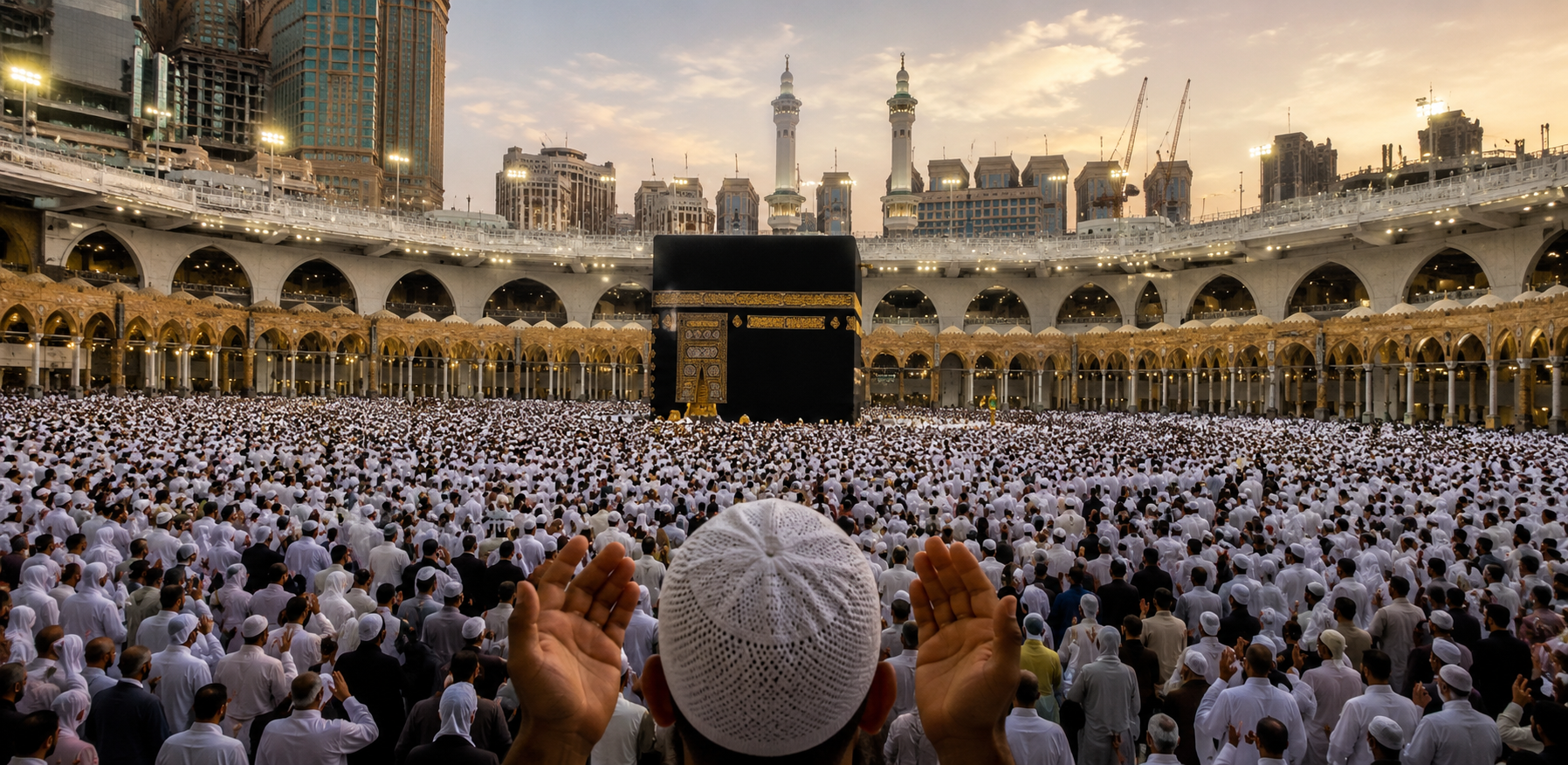
The Holy Kaaba is the center of Islamic worship and the most sacred place in Islam. Located inside Masjid al-Haram in Makkah, it is visited by millions of Muslims every year for Hajj and Umrah. Muslims around the world deeply respect and love the Kaaba because it is known as the House of Allah. It holds a special place in the hearts of believers and represents unity, faith, and devotion.
The Kaaba is not worshipped itself, but it is the direction Muslims face during prayer. It brings Muslims together regardless of their nationality, language, or culture. During Hajj, people from every corner of the world gather around the Kaaba dressed in simple white clothes, showing equality before Allah. The peaceful and spiritual environment around the Kaaba makes pilgrims feel closer to their faith. For many Muslims, visiting the Kaaba is one of the biggest dreams of their life. Its history, religious importance, and connection with Prophet Ibrahim (AS) make it one of the most visited and respected religious places in the world.
Lessons Muslims Learn From the Kaaba
The Kaaba Teaches Muslims the Importance of Unity and Brotherhood
The Holy Kaaba is a strong symbol of unity for Muslims around the world. Every Muslim faces the Kaaba during prayer, no matter which country they live in. This direction is called the Qibla. It brings Muslims together and creates a feeling of brotherhood and peace.
During Hajj and Umrah, millions of Muslims gather around the Kaaba and worship Allah together. People from different cultures, languages, and backgrounds stand side by side as one Muslim Ummah. The Kaaba teaches Muslims to stay united and support each other with love and respect.
The Kaaba Shows the Beautiful Lesson of Equality in Islam
The Kaaba teaches Muslims that everyone is equal before Allah. During Hajj, rich and poor people stand together in the same place without any difference. Pilgrims wear simple white clothes called Ihram, which removes signs of wealth and status.
This reminds Muslims that no person is better than another because of money or position. Islam teaches equality, kindness, and fairness for all people. The Kaaba helps Muslims understand the true meaning of respect and brotherhood in Islam.
The Story of the Kaaba Teaches Faith and Obedience to Allah
The history of the Kaaba teaches Muslims complete faith and obedience to Allah. Prophet Ibrahim (AS) and Prophet Ismail (AS) followed Allah’s commands with full trust and patience. Their story inspires Muslims to stay strong in their faith during difficult times.
The Kaaba reminds believers that true success comes from obeying Allah and trusting His plans. Muslims learn to remain patient, faithful, and thankful in every situation of life.
The Holy Kaaba Reminds Muslims to Stay Humble in Life
The Kaaba teaches Muslims the importance of humility and simplicity. Although it is the holiest place in Islam, its appearance is simple and peaceful. This reminds Muslims to focus more on worship and less on worldly things.
During Hajj and Umrah, all pilgrims wear simple clothes and stand equally before Allah. The Kaaba encourages Muslims to avoid pride and live a humble life filled with kindness and good deeds.
The Kaaba Helps Muslims Build Spiritual Discipline and Better Character
The Holy Kaaba helps Muslims improve spiritually and become better people. Acts of worship like Salah, Tawaf, and dua strengthen faith and bring peace to the heart. Muslims feel closer to Allah while praying near the Kaaba.
The spiritual environment of Makkah teaches patience, discipline, and good behavior. It encourages Muslims to avoid bad actions, remember Allah more often, and live a better Islamic life every day.
Final Thoughts
The importance of Islam Mecca Kaaba is deeply connected with the faith of Muslims around the world. Mecca is the holiest city in Islam, while the Kaaba is the center of worship, unity, and devotion to Allah.
Understanding the history of Kaaba, the meaning of Tawaf, and the importance of Hajj and Umrah helps Muslims strengthen their connection with Islam. The Kaaba is not only a sacred building but also a symbol of peace, equality, and obedience to Allah.
For Muslims, visiting the holy Kaaba in Mecca is a dream filled with spiritual emotions and blessings. Whether through daily prayers or pilgrimage, the Kaaba continues to inspire millions of believers every day.
If you are planning your spiritual journey, learning about Hajj and Umrah can help you prepare for a meaningful and unforgettable experience.
.webp)